
In-Home Support That Fits Into Your Day, Not The Other Way Around
There is a difference between getting through the day and actually feeling supported in it. In-home help should bring relief, not extra stress.
Whether you need help first thing in the morning, someone nearby throughout the day, or just a calm presence when things feel hard, support at home should feel like it fits naturally into your world.
Real Help Starts With Real Understanding
You do not need to explain your needs again and again. You do not need to put on a brave face. You just need someone you can count on.
That is what this kind of support is about: practical help from someone who understands your routine and respects your space.

You Set The Rhythm, We Will Meet You There
Everyone's days look different. Some people like to get moving early. Others need time to ease into things.
In-home support with Excellent Carers works around you. You do not have to adjust to someone else's clock.
Your comfort and preferences shape everything from how visits are scheduled to what happens when support arrives. It is care that shows up the way you need it to, not the way a policy says it should.
Start With A Check-In, Then Lead The Way
Every visit begins with a simple question: "How are you feeling today?" From there, the day unfolds in a way that feels right to you. It might be hands-on support or quiet backup in the background.
It might be help with getting dressed, managing medications, preparing meals, or making sure things at home feel clean and calm.
Think of it like having someone who is not just there to do tasks, but to notice what needs doing before you have to ask. Someone who knows that care is about presence as much as it is about action.

Your Comfort Is The Starting Point
When support workers enter your home, they are entering your safe space. That matters. Your home should feel peaceful, not like a workplace or a checklist.
That is why every part of in-home support is built to preserve your comfort, your dignity, and your routine. Maybe that means they take their shoes off at the door.
Maybe it means knowing where the spare towels are or remembering that you like music in the morning but quiet in the afternoons. Those little things are not little. They are what make support feel human.
You Deserve Support From People Who Already Know What Matters To You
Consistency is one of the most important parts of feeling safe. You should not have to explain your routine from scratch to a different person every day.
At Excellent Carers, in-home support is designed to build real familiarity. Where possible, you will see the same people regularly. They will get to know how you like things done.
That saves you time and energy, and it builds trust. If something ever feels off, your feedback is taken seriously. You are not a passenger in this. You are in charge.
Quiet Moments Matter Just As Much As Active Ones
Support does not have to mean constant talking or movement. Some of the best in-home support happens in the quiet moments.
Someone folding laundry while you rest nearby. Someone preparing dinner while you catch up on a show. Someone sitting with you when things feel uncertain.
It is not always about doing. Sometimes it is about simply being. Being present, being calm, and being there in a way that helps you feel safe and settled.
Trained Support That Still Feels Personal
When your needs are complex, whether it is PEG feeding, wound care, or managing medications, you need someone who is trained and confident. But that does not mean care should feel clinical or cold.
At Excellent Carers, in-home support brings the right medical knowledge along with a calm, respectful presence. You get the help you need, delivered in a way that feels steady and human.
The person assisting you knows what they are doing, and they also know how to make it feel okay.
We Know What It Is Like To Feel Stretched Too Thin
Many of the people behind Excellent Carers have lived with the pressure of juggling care, work, family, and fatigue. That means the support you receive is not just technically correct.
It comes with real understanding. Whether you are the person receiving support or a family member trying to hold everything together, in-home help is there to give everyone a bit of breathing room.
You are not alone in this, and you do not have to do everything by yourself.
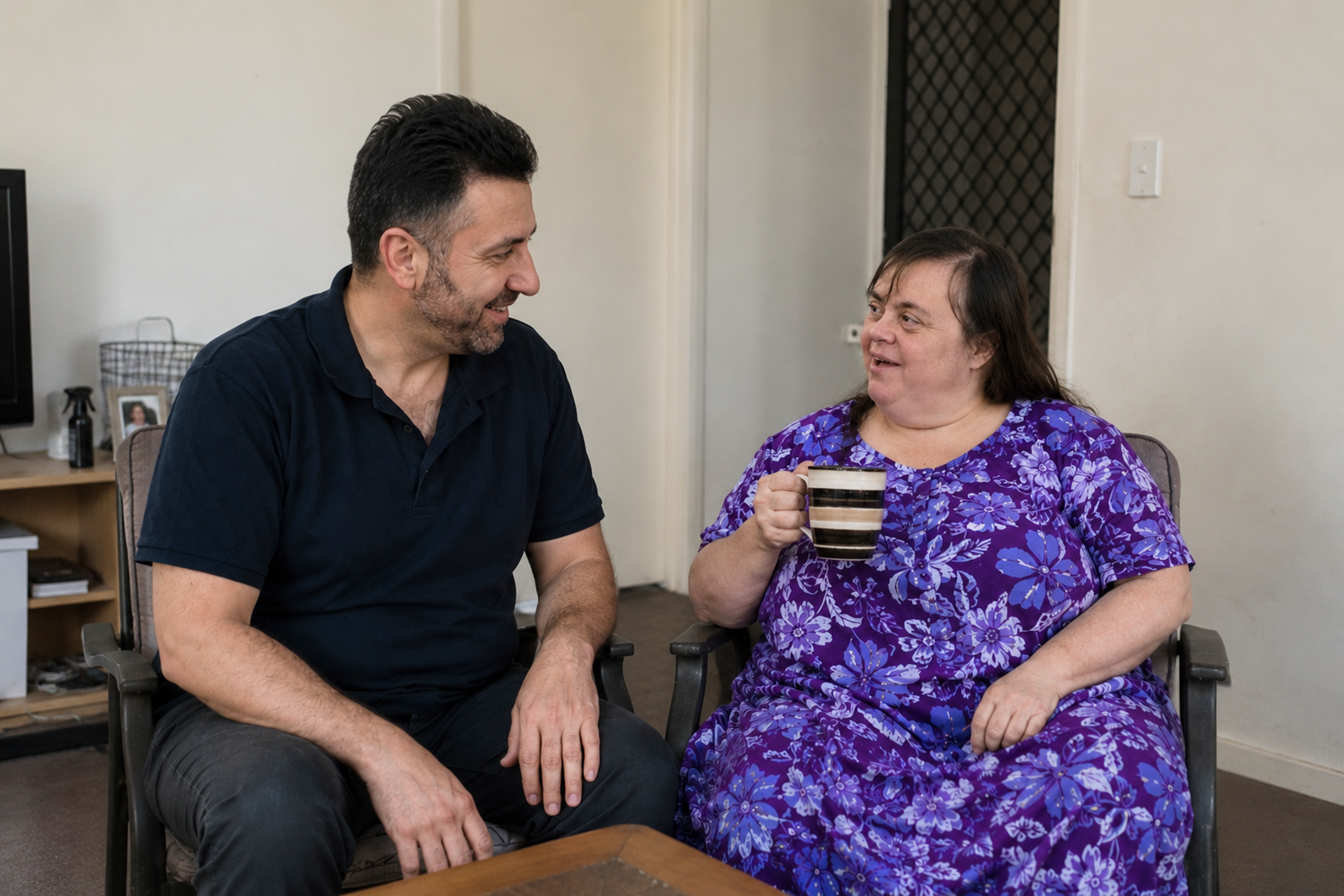
Help That Moves With You, Not Against You
Some days you will need more. Other days, less. You might want to try a new routine, or take a step back from one that has become tiring. That is all part of it.
Your support should be able to adapt. You will not be locked into a rigid structure that stops making sense. If your needs shift, your care can shift with you. That is how it should be.
Frequently Asked Questions About In-Home Support
What is in-home support?
In-home support is practical, respectful help with everyday tasks provided right in your home. It is designed to make your daily life easier, calmer, and more manageable.
Can I choose what kind of help I receive?
Yes. Your support is built around your needs and preferences.
Will I always have the same support worker?
Where possible, yes. Seeing familiar faces helps build trust, comfort, and consistency.
Is it okay to ask for help with basic tasks?
Absolutely. Support is not a sign of weakness. It is a way to bring more ease, stability, and comfort into your life.
What if I just want quiet company, not conversation?
That is completely fine. Good in-home support adapts to your mood.
Can in-home support include medical help too?
Yes. If your needs include tasks like PEG feeding, wound care, or medication management, support workers with the right training can provide that care in a way that feels steady and respectful.
What happens if I want to change my support schedule?
Your needs come first. If your routine changes, your support can too.
Can family members be involved in planning support?
Yes. Families often play an important role, and their insights can help shape support that fits your life. Your preferences always lead the way.
Is there a right time to ask for in-home support?
There is no right or wrong time. If you are feeling overwhelmed, unsure, or just plain exhausted, that is okay. Reaching out for in-home help does not mean everything changes overnight.
Let's Take The Pressure Off, Together
If you have been feeling overwhelmed, unsure, or just plain exhausted, that is okay. Reaching out for in-home help does not mean everything changes overnight.
It just means you are ready for a bit more ease in your day-to-day.