
Social & Community Participation - Getting Back Out There Shouldn't Feel So Hard
Some days, even simple things like getting to the library or going out for lunch can feel out of reach. If you're managing fatigue, anxiety, or sensory overwhelm, just leaving the house might feel like climbing a mountain.
That's why the right kind of support matters. It's not just about being there. It's about knowing how to show up in a way that helps you feel calm, safe, and genuinely ready to engage.
Whether you're easing back into activities you used to enjoy or trying something completely new, having steady support beside you can change everything.
Confidence Grows When You're Not Doing It Alone
Have you ever wanted to try a new activity but didn't know where to start? Or maybe you used to love getting out and about but haven't had the chance in a while.
That feeling of wanting more but being unsure how to begin is something many people experience. This is where community participation support steps in.
Go At Your Own Pace, Not Someone Else's Schedule
It's not about pushing you into something that doesn't feel right. It's about walking with you, at your pace, until you're ready.
You might want to reconnect with friends, join a local club, attend a cultural event, or simply visit the local café without stress. That's all part of life. You deserve the chance to enjoy it your way.
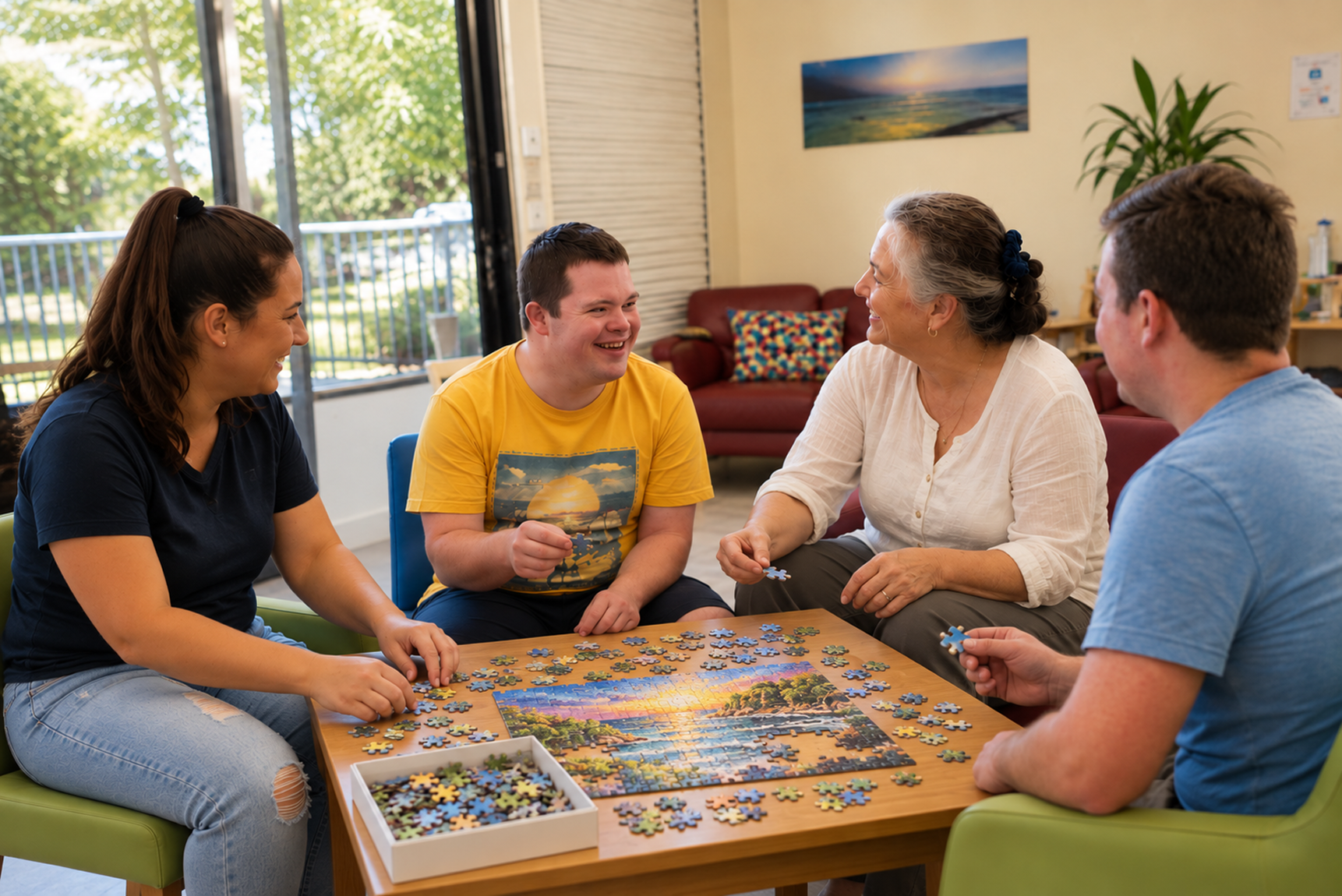
You Don't Have To Just Watch Life Happen
Sometimes, the idea of asking for help feels like admitting defeat. Here's the truth: accepting support isn't a failure. It's a way to gain back what's been missing. Time. Joy. Connection.
Community participation isn't about babysitting or supervision. It's about rebuilding that sense of independence and being part of something again.
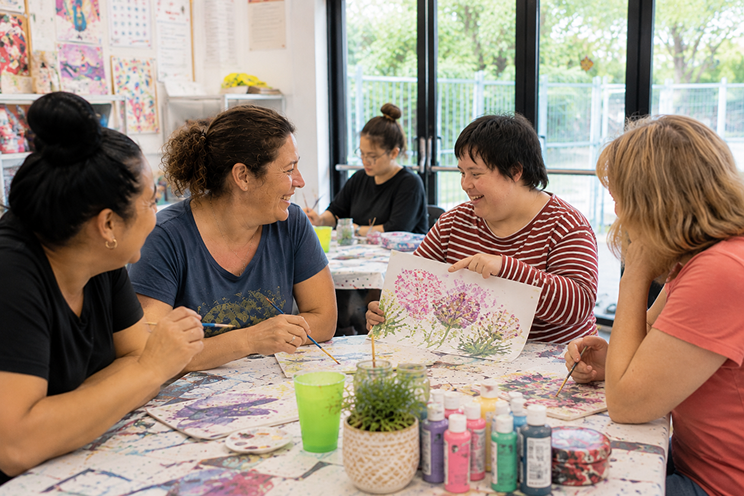
Let's Talk About What Community Support Actually Looks Like
It could be walking down to the beach with someone steady at your side. It might be heading into town for a coffee, going to a gallery, or attending a sensory-friendly cinema session.
Maybe it's visiting a local support group or getting involved with volunteering. It's like when someone remembers how you take your tea. It's the little things that make the biggest difference.
The familiar face. The steady voice. The person who knows when to step in and when to step back. That's what real community support looks like.
Designed To Fit Around You, Not The Other Way Round
Some days you might feel like getting out and about. Other days, you might need to cancel plans at the last minute because your energy just isn't there. That's okay.
Your routine, preferences, and mood are all part of the support plan. There's no script to follow. Only what works for you today.
Whether it's once a week or every afternoon, support is built to help you feel more like yourself, not less.
Real Help That Respects Your Space
Many people feel guilty about using support workers, especially when caring for a loved one. That inner voice says, "I should be doing this myself." But the truth is, you can't pour from an empty cup.
Letting someone step in doesn't mean stepping out of your role. It means sharing the weight so everyone gets to breathe a bit easier.
For participants themselves, having a support worker doesn't mean being treated like a child. It means having someone beside you who knows how to back you up without taking over.
Support Workers Who Actually Get It
The people behind Excellent Carers are not just trained. They understand what daily life with complex needs really looks like. Many have supported family members or lived with care needs themselves.
That makes a difference. They know how to support without hovering. They understand the difference between independence and abandonment.
They're matched with you not just by availability, but by shared interests, routines, and communication styles.
Why This Support Feels Different
This isn't a service that's been slapped together. It's been built slowly and carefully by people who've seen how stressful care can be when it doesn't work, and how calming it is when it does.
You'll feel it in the way support workers speak to you, the way your schedule is respected, and how your feedback is actually acted on. You're not just a number. You're someone whose time and comfort matter.
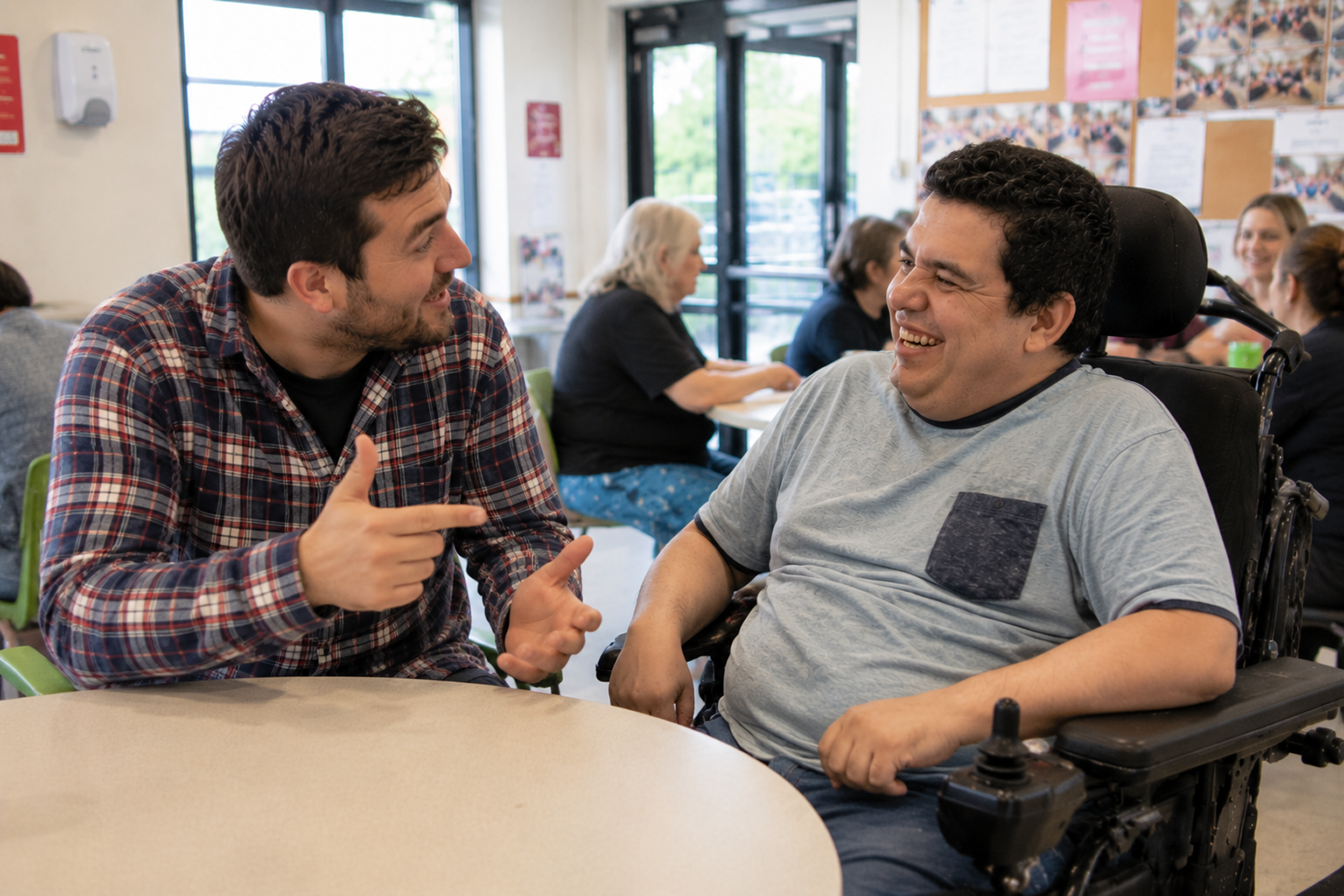
Frequently Asked Questions About Community Participation Support
What is community participation support?
It is support that helps you get out into the community in a way that feels safe, steady, and enjoyable. That might mean going to appointments, joining a local group, or just visiting your favourite café.
Do I have to be social to use this support?
Not at all. This is not about being outgoing or constantly active. It is about making everyday life feel easier and more connected.
Can support workers really make that much of a difference?
Yes, especially when they are familiar and understand your routine. A steady and respectful presence can ease anxiety, reduce overstimulation, and help things go more smoothly.
What kinds of activities are included?
That is entirely up to you. You might want to go for a walk, attend a hobby group, grab groceries, or visit a local event. Support can be quiet and low-key or more structured. The choice is yours.
What if I change my mind or do not feel up to it on the day?
That is completely okay. Some days are harder than others. Your support worker will adjust plans with you, without judgement.
Is this only for people who are independent?
No, it is for anyone who wants to feel more involved in their own life, regardless of their current level of independence. Whether you need full support or just a bit of backup, the goal is to make things feel more possible.
Can family members be involved?
Yes. Family input is welcome, and your preferences come first. You decide how much involvement feels right. This is your support, and your voice leads the way.
You Deserve More Than Just Time Out Of The House
This is about more than transportation or ticking off a care goal. It's about helping you feel connected again. Less like a passenger and more like someone choosing their own direction.
That matters. And it's possible. If you've ever felt like your world got smaller, community support is a way to open things up again.
No Pressure. Just Possibility
You don't have to commit to anything today. This can start with a conversation about what you miss, what you'd like to do more of, or what's been getting in the way. We'll go from there.
No pressure. No rush. Just honest support that works around your life.
Ready To Explore What's Possible?
Whether you're curious about getting back out there or ready to try something new, we're here to listen and support you every step of the way.
Your pace. Your choices. Your community.