
Nursing And High Intensity Support That Feels Calm, Clear, And Right
Help That Makes Complex Care Feel Easier
Caring for someone with high needs takes time, energy, and patience. You're balancing routines, keeping an eye on health, and doing your best to create a safe, stable day. That's no small task.
The good news? You don't have to do it all alone. High-intensity support can bring calm, clarity, and reassurance to your day without adding stress.
You're Not Alone In This
If you've been doing a lot on your own, it's normal to feel stretched. Medical tasks like PEG feeding, seizure support, wound care, or bowel care can start to take over.
But support is meant to lift the weight, not add to it.
You can have someone by your side who understands what's involved, and who helps everything run a little smoother. That kind of consistency brings relief-not just physically, but emotionally too.
When someone else understands what's at stake, you stop feeling like you're carrying it all alone. You feel seen. Supported. And that creates space for everyone to breathe a bit easier.
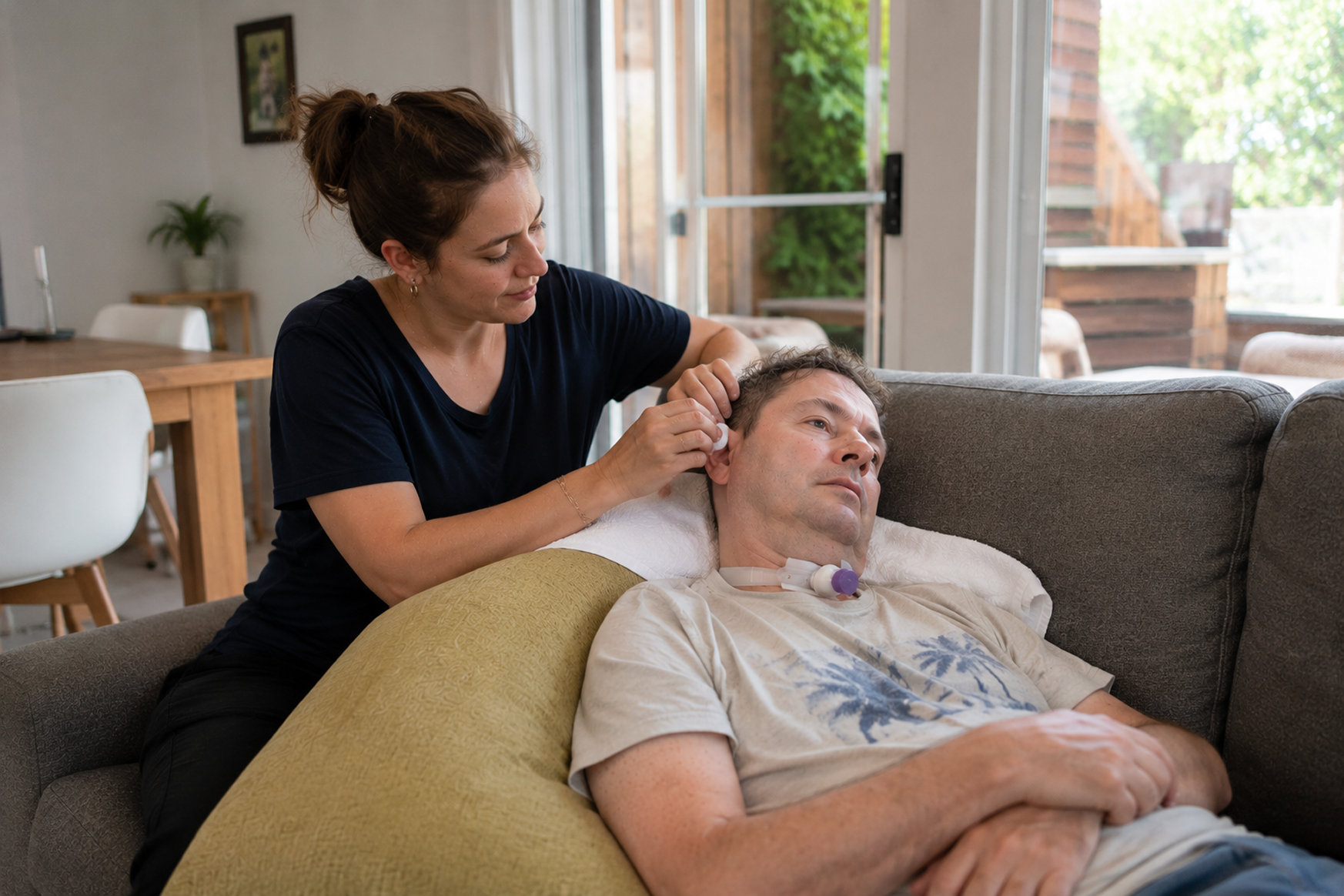
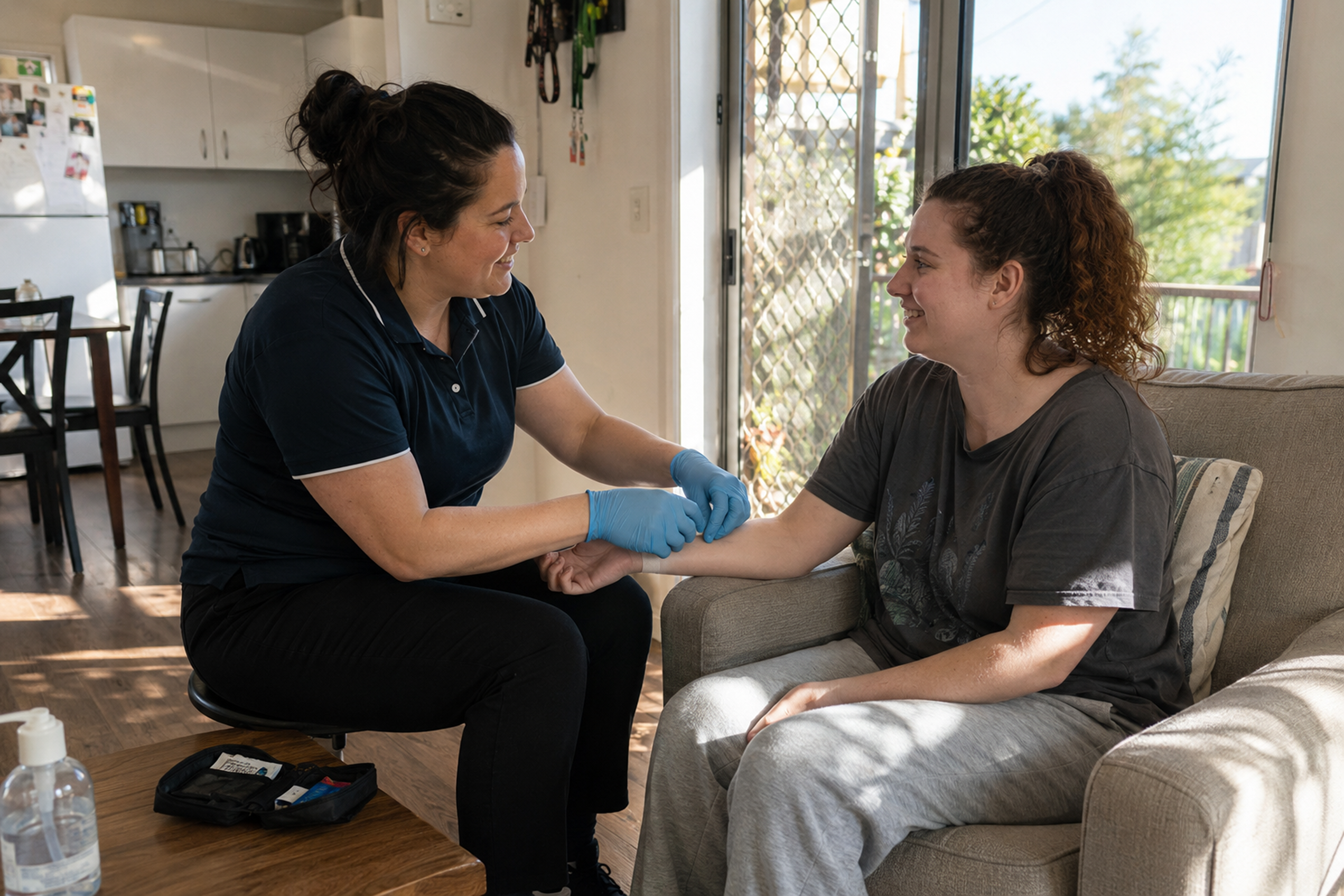
Steady Hands And A Clear Approach To Nursing And High Intensity Support
When care is complex, it helps to have someone calm, capable, and ready. That's what you'll get. Every member of your support team comes in prepared-whether they're helping with medication, daily care, or monitoring health.
You'll feel the difference straight away. It's kind of like when someone steps in with quiet confidence and helps you breathe easier.
They're there not just to get the job done, but to make sure it feels okay. That means being gentle when things are sensitive, respectful when things feel personal, and always clear about what's happening.
The Help You Need, Built Around You
We begin by learning what matters to you: your habits, your goals, and your comfort zone. From there, your support might include:
Every plan is adjusted as your needs shift. You'll never feel locked into something that doesn't work. We change with you.
The Right People Make All The Difference With Nursing And High Intensity Support
When someone comes into your space, you want them to feel like a good fit. That's why people are chosen for more than just their training.
Many have real-world experience caring for someone close to them. That brings understanding you can feel.
You'll notice it in the way they listen. In how they speak. In the way they learn what works for you-and remember the little things.
Familiar Faces, Consistent Support
It's easier when you don't have to explain things again and again. Wherever possible, you'll have the same people coming back.
That means familiar routines, consistent care, and a team that really gets how your day runs.
Consistency isn't just convenient-it's protective. It helps everyone feel safer. It helps things stay on track. And it creates a stable environment where you can relax, even if just a little.
You'll get more than support. You'll get peace of mind.
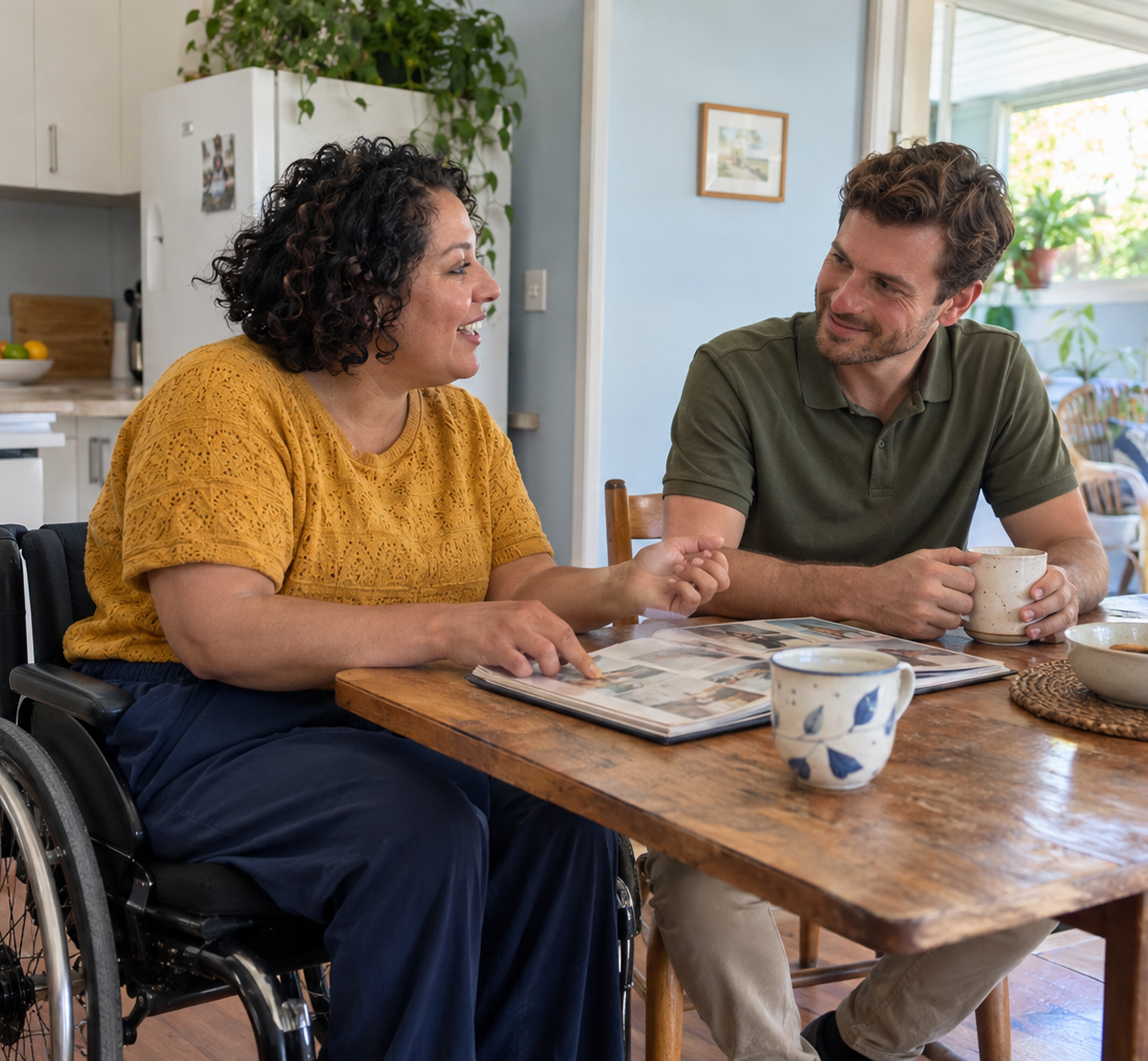
Help That Fits In And Makes Life Easier
You're still in charge. You're still involved. This is about adding ease, not taking over. It's about being supported, so you can keep showing up in the way that matters most to you.
Support workers can also offer different perspectives and ideas-maybe a new way of doing something, or simply a friendly presence who helps lighten the atmosphere.
Safety, Skill, And Sensitivity
Every team member is trained in high-intensity support. That includes the technical parts-like seizure monitoring or wound care-as well as communication, discretion, and respect.
Help That Keeps You In The Loop
Support should never leave you guessing. You'll always know what's happening, who's involved, and what to expect. That openness builds trust-and that's what matters most.
You Count Too
It's easy to forget your own needs when you're supporting someone else. But your wellbeing matters. And with the right help in place, you can catch your breath again.
You can count on accurate notes, clear updates, and people who are alert to changes. If something needs to shift, we'll talk about it. You'll always be included.
And because our teams work with a wide range of care needs, they bring insight that can make your experience smoother-whether that's managing medications better or spotting early signs of a change in health.
We keep communication simple and direct. You'll have a clear contact point, and you'll always be part of the conversation.
Whether it's everyday support, short-term help, or something more regular, we'll help make life more manageable.
Even just having someone there to talk through concerns with can make the load feel lighter. We're here to be part of your circle of care-not to replace you, but to stand with you.
Let's Talk Through What's Possible In Nursing And High Intensity Support
You don't need all the answers today. We'll start where you are. You can share what's been hard, what's been helpful, and what might make things feel better.
Together, we'll explore your options-step by step, at your pace. We'll answer your questions in plain English and explain what's possible through your NDIS plan.
Whether you're feeling overwhelmed, curious, or hopeful, we're ready to listen. No pressure. Just a simple, open conversation.
This is your care. Let's shape it to fit.
Frequently Asked Questions About High Intensity Support
What's included in high-intensity daily support?
This can include seizure care, PEG feeding, continence and bowel support, wound dressing, and help with personal care and mobility, all provided by staff with the right clinical training.
Do you offer nursing as well as support work?
Yes, depending on what's needed. We have team members trained and experienced in complex clinical care. We'll talk through what you need to make sure it's the right fit.
Can I get regular staff who know our routine?
We prioritise consistency as much as possible. Wherever we can, the same team members will return, especially for families where routine and familiarity are key.
Do I need an NDIS plan with specific line items for this?
High-intensity daily supports fall under Core Supports or Capacity Building, depending on the activity. We can help you understand what your plan includes and how to access the supports you need.
What if I've had bad experiences before?
That's okay. Many people have. We'll go at your pace, and you'll have full transparency around who's supporting you, what's involved, and how to make changes if something isn't working.
Ready To Talk It Through?
Whether you're curious, cautious, or already know what you need, we're here when you're ready.
Let's take the next step together.